
Thanks for visiting Thoughtwrestling! If this is your first time visiting this blog, you must check out the subscription options available on the Subscribe page, including our free newsletter/mailing list full of exclusive content and other brainy goodness. Thanks for visiting!
 Have any other Thoughtwrestlers been watching this season of HGTV’s DesignStar?
We are not going to discuss how the network has ruined a perfectly enjoyable show by handing it over to Mark Burnett. We are also not going to discuss my dark horse pick for who I think is going to win. Instead, we are going to discuss something that actually has relevance to the core Thoughtwrestling topics of creativity, creative thinking, problem solving and getting things done: the glorious value of editing.
In the last two episodes of DesignStar, editing was specifically called-out as a critical creative skill. In trying to create a catalog cover photo for Sears, both teams were dinged for failing to adequately edit their designs. There was too much clutter in both photos. In contrast, during the next episode’s refurb dining room challenge, the judges pointed out that careful editing of the space was evident.
In other words, they noticed the visual clutter that wasn’t there. Which brings me to my main point:
Clutter kills your creative intent. Editing is the antidote to clutter.
You see a lot of cluttered writing in blogs. I’m guilty of it myself. In my haste to capture my thoughts and impressions, I often fail to make that second pass to edit the post, making sure my creative intent isn’t getting lost in verbal clutter.
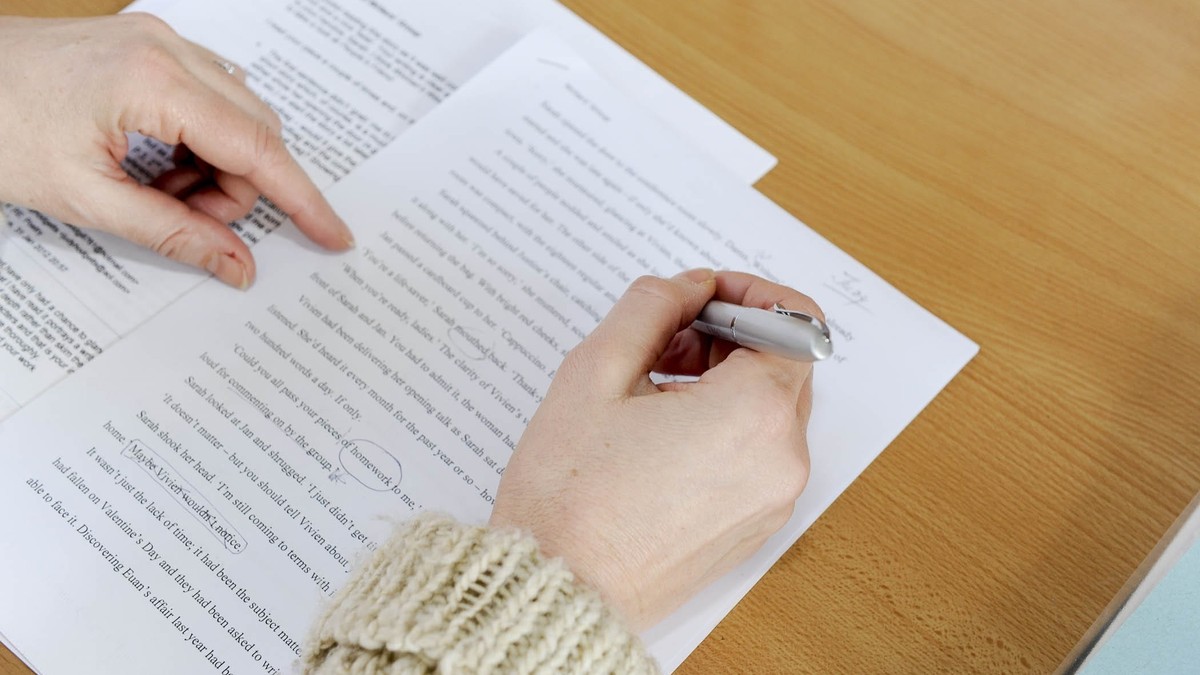
Editing is not just proofreading.
Let’s be clear: the web could use a lot more of both. Typos, misspellings and poor grammar detract from your creative intent, too. They lower your level of credibility with the audience, and they don’t speak well of your respect for the craft of writing.
But editing is more than making sure your sentences are grammatically correct. What I loved about seeing editing mentioned in DesignStar is that by translating the term to a visual creative pursuit, the true creative purpose of editing became clearer.
Editing is removing anything that doesn’t contribute to your creative intent and vision.
It also highlighted that editing isn’t confined to writing. Whatever your creative medium, editing is a skill you need to cultivate.
Let’s take that point a little further. Thoughtful editing is something you really should apply to your ultimate creative work: life. This is an idea that’s explored explicitly in Don Miller’s A Million Miles in a Thousand Years: What I Learned by Editing My Life (affiliate link). In the book, Miller talks about how having to translate his memoirs into a movie made him think more consciously about how he was living out the “sequel,” and how he began to find himself editing his choices in light of seeing his life as a cohesive, meaningful story.
This is more or less the thinking behind my own recent personal clutter purge (which is still going on, and which I’m still getting a ton of creative energy from doing).
Whether you’re editing the clutter from your physical environment, your schedule or your latest short story; you’re creating something better by removing what’s not working.
I’d like to leave you with some thoughts from Stephen King on the value of editing:
“If you haven’t marked up your manuscript a lot, you did a lazy job. Only God gets things right the first time. Don’t be a slob.”
Subscribe to Thoughtwrestling so you can read more great ideas about creative thinking, problem solving, and getting things done.
Image by TheCreativePenn and DC Comics.
Related posts:
- Kat’s Super-Secret Recipe for Creative Work
- Dealing with the lonely pursuit of creative work
- Creative Canadians
- Maintaining Your Creative Edge When Life Takes Over
- The other end of the telescope